Copenhagen, Denmark
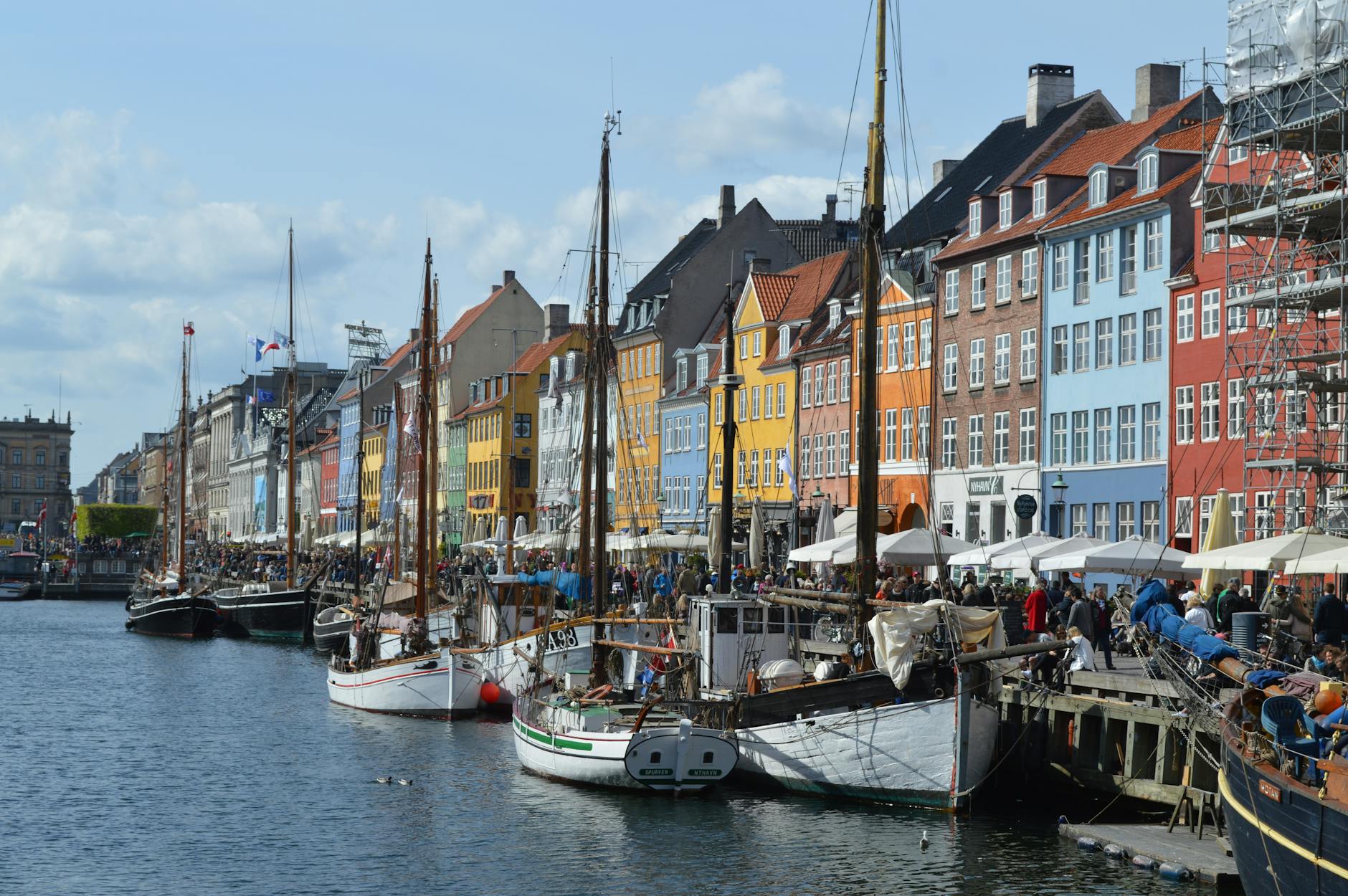
Copenhagen, Denmark's vibrant capital, consistently ranks among the world's most livable cities. It's a place where historic charm meets modern innovation, where cobblestone streets lead to cutting-edge architecture, and where a strong sense of community intertwines with a global outlook. But like any major metropolis, it presents a unique blend of opportunities and considerations for both visitors and prospective residents.
Key Takeaways
- Copenhagen offers an exceptionally high quality of life, characterized by safety, sustainability, and a strong work-life balance, though it comes with a significantly high cost of living.
- The city is a paradise for cyclists and boasts an efficient public transportation system, making car ownership largely unnecessary.
- Experience a unique blend of Scandinavian design, rich history, and the Danish concept of 'hygge' – creating a cozy and convivial atmosphere.
Unpacking Copenhagen's Charm and Challenges
Often lauded for its progressive urban planning and commitment to green living, Copenhagen is a city that truly embraces sustainability. You'll find more bikes than cars on its impeccably designed bike lanes, and the harbor is clean enough for a swim. This dedication to environmental responsibility enhances the overall quality of life, contributing to cleaner air and a more active population. The city's architecture is a captivating mix, from the colourful buildings of Nyhavn to the sleek, minimalist designs of its modern districts, reflecting Denmark's celebrated design heritage.
However, this idyllic lifestyle comes with a notable price tag. Copenhagen is widely recognized as one of the most expensive cities globally, particularly when it comes to housing and dining out. While salaries in Denmark are generally higher to offset this, it's an important factor for anyone considering a move or an extended visit. Budgeting wisely and embracing local habits, like home cooking or using lunch specials, can help manage expenses.
Life on Two Wheels and the Pursuit of Hygge
One of the most defining characteristics of life in the Danish capital is its cycling culture. Bicycles aren't just a mode of transport; they're an integral part of daily life. The extensive network of dedicated bike paths makes commuting a breeze and offers a wonderful way to explore the city at your own pace. For longer distances, Copenhagen’s public transport system — encompassing buses, trains, and the Metro — is highly efficient and reliable, connecting all corners of the city seamlessly. For more insights into how cities are designed for people, consider exploring resources on urban planning and livability.
Beyond its infrastructure, Copenhagen excels in fostering a unique social atmosphere encapsulated by the Danish concept of 'hygge.' It's about finding joy in simple moments, creating warmth, community, and comfort. This manifests in cozy cafes, candlelit dinners, and shared experiences with friends and family. This emphasis on well-being and a balanced life is a significant draw, contributing to Denmark's consistent ranking as one of the happiest nations. For those interested in understanding the broader context of Danish society and culture, Wikipedia's page on Denmark offers a comprehensive overview.
FAQ
Is Copenhagen an expensive city to visit or live in?
Yes, Copenhagen is considered one of the most expensive cities globally, particularly concerning accommodation, dining, and certain goods and services. Visitors and residents should budget accordingly, though local salaries are often adjusted to reflect the cost of living.
What are the best ways to get around Copenhagen?
Cycling is by far the most popular and efficient way to navigate Copenhagen, thanks to its extensive network of bike lanes. The city also boasts an excellent public transportation system, including buses, trains, and the Metro, which makes getting around easy without a car.
What unique cultural experiences can I expect in Copenhagen?
You can expect to experience 'hygge,' a Danish concept of coziness and well-being, reflected in the city's cafes and social gatherings. Copenhagen also offers world-class New Nordic cuisine, innovative design, a rich Viking history, and vibrant festivals throughout the year. For more travel inspiration, check out our Travel Guides section.
Conclusion
Copenhagen stands as a testament to thoughtful urban development and a commitment to quality of life. While its high cost of living is a significant factor, the city repays its inhabitants and visitors with an unparalleled sense of safety, sustainability, and social well-being. From its bike-friendly streets and architectural marvels to the pervasive warmth of 'hygge,' Copenhagen offers a compelling blend of tradition and modernity, making it a truly unique European destination. Whether you're planning a short visit or considering a longer stay, this Danish jewel promises an enriching and memorable experience. For further reading on global city rankings and quality of life, sources like The World Economic Forum often publish relevant analyses.
(Copenhagen, Denmark Travel, European Cities, Quality of Life)


Comments
Post a Comment