A Century of Change in London, England
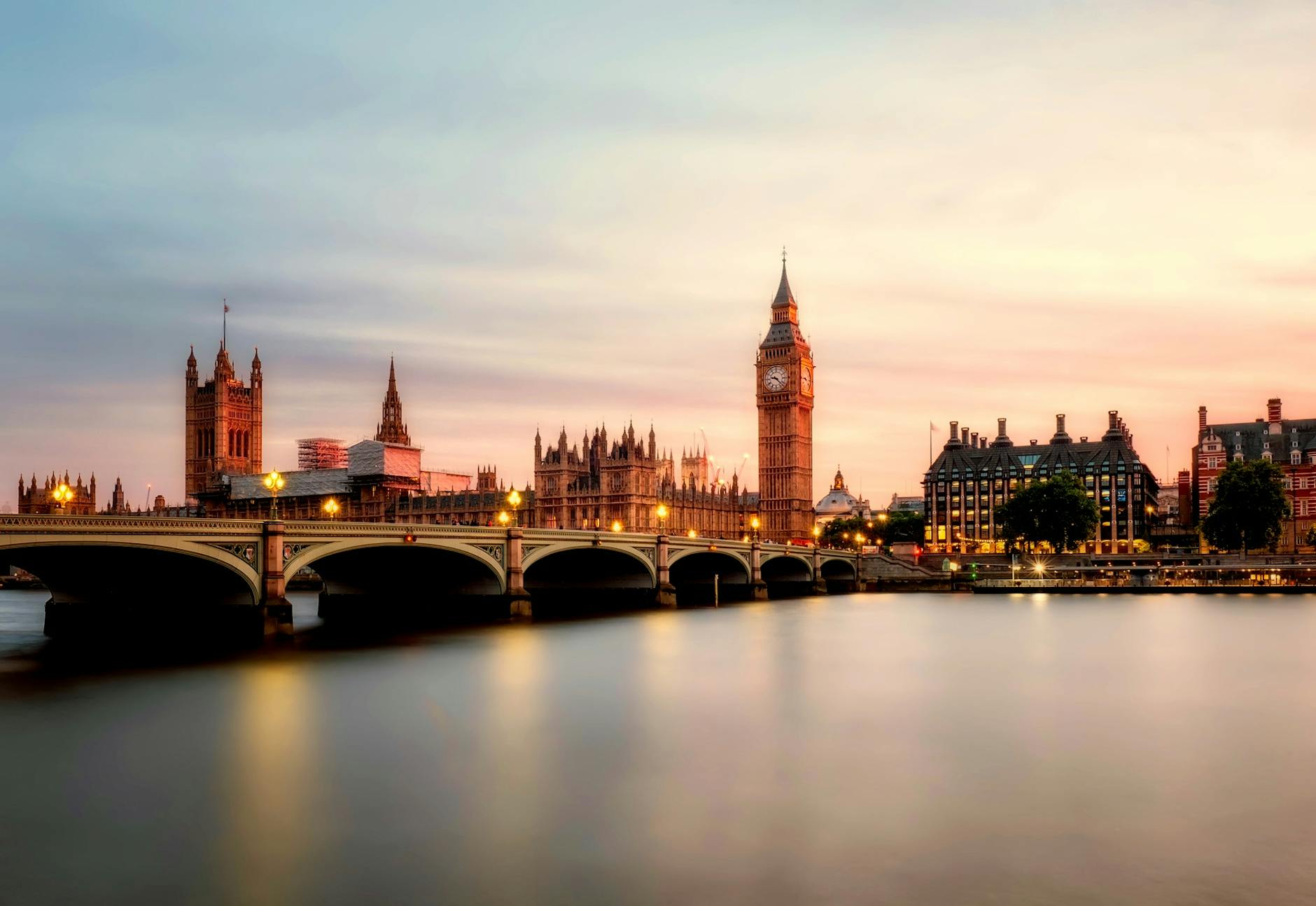
London, a city steeped in history yet constantly evolving, offers a fascinating study in urban development. Few places encapsulate this dynamic interplay of old and new as vividly as Parliament Square in Westminster. An iconic location, familiar from countless postcards and news reports, it serves as a silent witness to a century of remarkable transformation. Imagine standing in the very same spot, a hundred years apart – the sights, sounds, and even the very air would tell vastly different stories.
A Glimpse Back to 1918
Stepping back to 1918, Parliament Square presented a scene starkly different from today. The world was still reeling from the Great War, and London, though resilient, bore the marks of an era defined by steam, gaslight, and nascent automotive technology. The Square itself, while featuring the grand Palace of Westminster and Westminster Abbey, was a hub of horse-drawn carriages alongside early motor vehicles and even trams. The roads, likely unpaved or poorly surfaced in many areas, would have been dustier, the traffic less regulated. Pedestrians would navigate a more chaotic environment, and the general pace of life, though bustling, felt grounded in an earlier industrial age. The iconic Elizabeth Tower (home to Big Ben) stood tall, but its surroundings hummed with the rhythms of a world on the cusp of significant change.
London in 2018: A Modern Metropolis
Fast forward a century to 2018, and Parliament Square pulsates with the energy of a global capital. The most striking difference is the transformation in transport. Gone are the horses and trams, replaced by sleek black cabs, a constant stream of iconic red double-decker buses, and a variety of modern cars. The road infrastructure is sophisticated, with clear markings, traffic lights, and designated lanes that manage the immense volume of vehicles. The Square's garden, a central feature, is meticulously maintained, adorned with statues of historical figures like Winston Churchill, Nelson Mandela, and Mahatma Gandhi, reflecting London's diverse historical tapestry. The air is cleaner, the streetlights brighter, and the overall impression is one of organized efficiency, a testament to decades of urban planning and technological advancement. While the grand historical buildings remain, the surrounding environment has adapted to the demands and aesthetics of the 21st century.
Preserving History Amidst Progress
What makes London's evolution so compelling is its remarkable ability to embrace modernity without sacrificing its rich heritage. Parliament Square is a prime example. The core architectural masterpieces – the Houses of Parliament, Westminster Abbey, and the Supreme Court – stand as magnificent anchors, largely unchanged structurally over a century. Yet, around them, the city has intelligently layered modern amenities, efficient transportation networks, and green spaces designed for public enjoyment. This delicate balance ensures that London remains a living museum, where ancient landmarks coexist seamlessly with contemporary life. It's a city that respects its past while constantly innovating for its future, a testament to thoughtful preservation and adaptive urban development. The ongoing work on the Elizabeth Tower, for instance, reflects this commitment to maintaining historical integrity while ensuring longevity.
Conclusion
The journey of Parliament Square from 1918 to 2018 offers a captivating snapshot of London's enduring spirit. It underscores how cities are not static entities but dynamic organisms, continuously shaped by human ingenuity, technological progress, and societal shifts. While the foundational elements of London's identity remain steadfast, its outward appearance, its pulse, and its daily rhythms evolve to meet new demands. This blend of timeless heritage and relentless innovation is precisely what makes London one of the world's most fascinating and beloved cities, a place where history breathes alongside the future.
["London", "Urban Development", "City History", "Parliament Square", "UK History"]


Comments
Post a Comment